April 6th, 2026
Expanding the Field of Social Art and Design
With the release of its 2025 proceedings, CROSS MEDIA ARTS reaffirms its role as a platform where art and design move beyond disciplinary enclosures to engage directly with the pressing social and ecological realities of our time. The publication gathers a wide range of projects and reflections that demonstrate how artistic and design practices can become catalysts for socio-ecological renewal, cultural cohesion, and epistemic transformation.
At the heart of this edition lies the idea that art is not merely representational but relational and interventionist. Artistic processes unfold through collaboration between creatives, makers, stakeholders, and communities, forming dynamic constellations of action. These practices are deeply embedded in specific contexts and attentive to both human and more-than-human actors, generating new possibilities for collective imagination and tangible change.
The volume opens with four invited contributions that set the conceptual tone. A reflective essay by Alastair Fuad-Luke introduces the notion of affective encounters as a driving force for societal transformation. Drawing from decades of experience in activist and collaborative design, he proposes relational wellbeing as a foundation for social impact—an approach that resonates throughout the projects presented.
Among them is the BeeTotems for RefuBees initiative by Hans Kalliwoda, where public art merges with ecological activism. Living sculptural structures create habitats for pollinators while simultaneously building bridges between refugee communities and local residents, envisioning urban environments as vital spaces for biodiversity and solidarity.
Mimi Hapig and Michael Wittmann present Habibi.Works in Greece, an intercultural workspace that fosters dignity and creative inclusion among refugees and local populations. Through collaborative making and shared authorship, the project establishes spaces where cultural exchange becomes a practice of mutual empowerment.
From a nomadic and decolonial perspective, Ivan Txaparro introduces Resonar Lab, operating between Madrid and Berlin. Integrating music, participatory design, and collective artistic action, the initiative advances ecosocial justice while strengthening community agency across diverse territories.
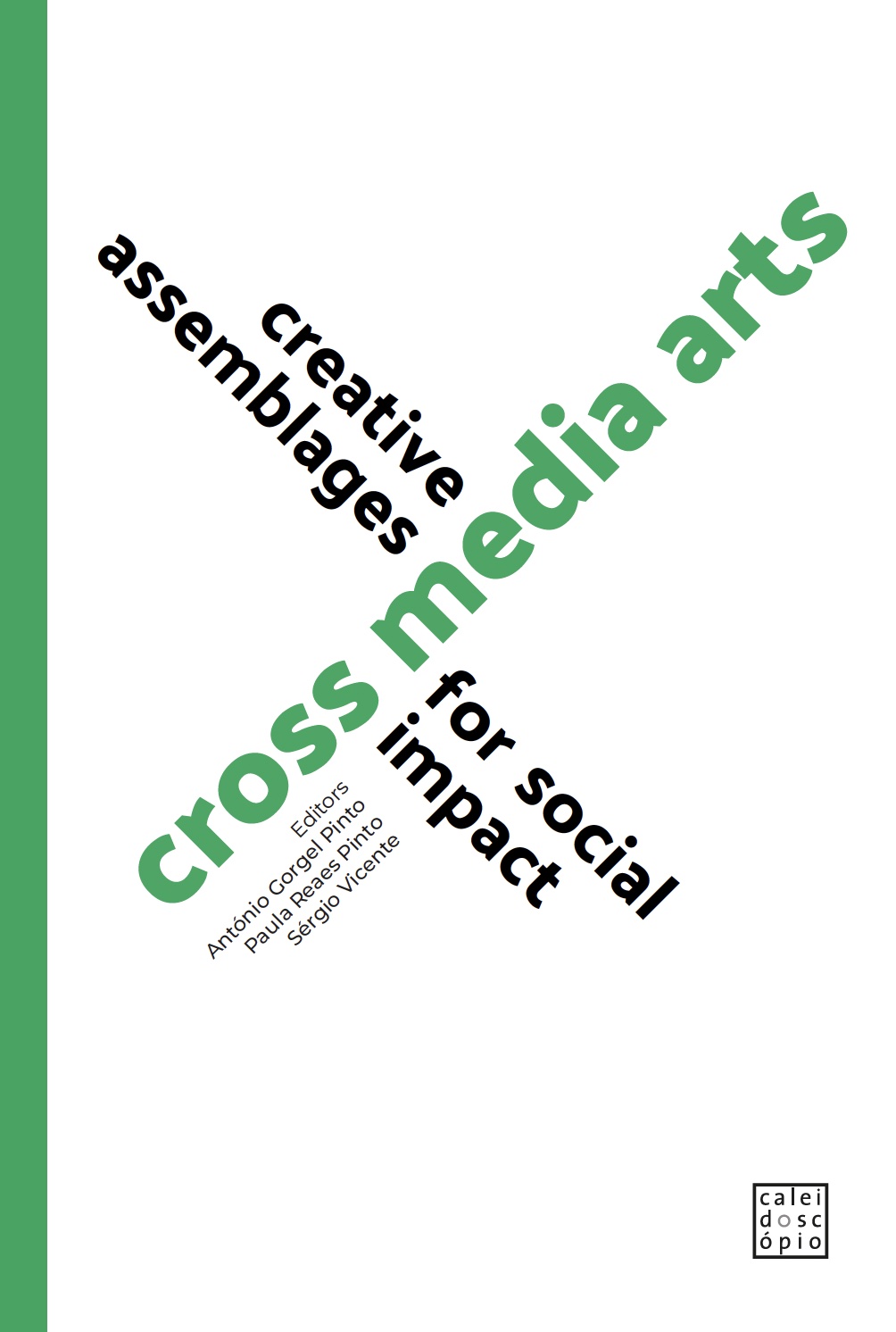
Following these invited contributions, the proceedings unfold into four thematic sections that collectively map an expanded field of social art and design.
Education, Inclusion and Creative Empowerment explores participatory pedagogies in schools, prisons, and urban neighborhoods. Through media such as photography, performance, natural ink printing, and modular typography, these initiatives foreground listening, mediation, and shared learning. Art becomes a vehicle for active citizenship and the co-creation of collective identities. This becomes clear, for instance in Jennifer Schubert’s contribution “Materials for Participation”, in which she discusses two case studies, focusing on how to overcome barriers with tangible designerly means.
Sustainability, Agency and Material Care gathers practices rooted in craft, biodesign, agroecology, and collaborative making. Challenging extractivist and productivist paradigms, these projects draw on local and ancestral knowledge systems. With strong ecofeminist and climate justice dimensions, they propose forms of coexistence based on care, interdependence, and respect for more-than-human life. This one includes a paper on “Crafting transitional design assemblages
for more-than-human future-making” by Craig Jeffcott, António Gorgel, Ana Margarida Ferreira and Daniel Buzzo
Participation, Place and Creative Intervention focuses on site-specific and community-based actions. Sculptures, performances, shared gardens, and interventions using found objects transform public spaces marked by inequality, abandonment, or gentrification. Here, process outweighs product, and art operates as a medium for dialogue, collective authorship, and civic imagination.
Finally, Technology, Inclusion and Situated Innovation examines the intersection of digital media, speculative design, and participatory methodologies. Immersive technologies, augmented reality, and interactive artifacts are deployed not as spectacle but as tools for empathy, accessibility, and critical reflection. By questioning boundaries between physical and digital, human and technological, these works envision inclusive and relational futures grounded in context-sensitive innovation.
Across all sections, recurring principles emerge: active participation, transdisciplinary collaboration, more-than-human agency, materiality as mediator, decolonial thinking, and situated technological development. Together, these approaches form a complex assemblage of practices oriented toward social impact—where artistic creation becomes an act of resistance, care, and transformative imagination.
Edited by António Gorgel Pinto, Paula Reaes Pinto, and Sérgio Vicente, the CROSS MEDIA ARTS 2025 proceedings stand as a testament to the power of cross-disciplinary engagement and community-rooted creativity. In times like these, this volume does not merely describe alternative futures—it demonstrates concrete ways of doing, caring, and imagining together. It thus expands the field of social art and design as a space of listening, belonging, and emancipation—where creative assemblages become engines for shared renewal.
–> Download the book for free!